Camera Buying Guide: Suggestions for Choosing Photography Equipment to Record Life and Travel
As photography becomes an important way for many to document their lives, cameras have become indispensable tools for travel, daily recording, and content creation. Compared to mobile phone photography, cameras offer greater advantages in image quality, shooting control, and lens selection. Understanding some basic purchasing points can help users find the right camera for themselves when faced with different types and functions of photographic equipment.
I. Define Your Shooting Needs
Before choosing a camera, you first need to define your usage needs. Different users have different shooting scenarios and usage habits, so the suitable type of equipment will also differ.
If you mainly use it to record daily life or travel photos, you can choose a camera that is easy to operate and carry; if you want to learn photography techniques or create more professional-looking works, you can choose a device that supports more manual settings and lens changes. Defining your needs can help narrow down your choices and make the purchasing process easier.
II. Image Quality and Sensor Performance
The image quality of a camera is mainly related to its sensor. The sensor is one of the most crucial components of a camera; it determines the detail, color, and performance in different lighting conditions.
Generally speaking, cameras with larger sensor sizes perform better in low-light conditions and can also record more detail. In travel photography, landscape photography, and night scene shooting, good sensor performance can significantly improve photo quality.
Furthermore, image processing capabilities also affect the overall effect of a photo, including color reproduction, contrast, and detail.
III. Lenses and Shooting Flexibility
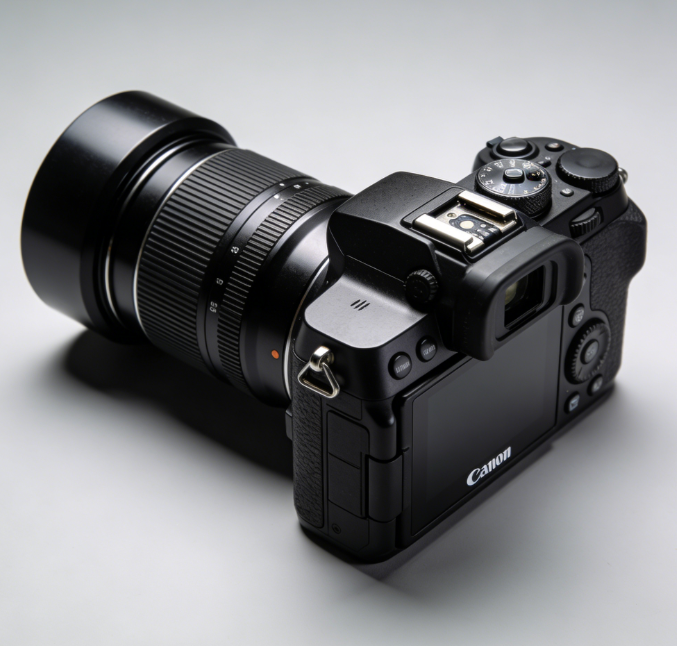
Lens also play a crucial role in photography. Different types of lenses are suitable for different shooting scenarios; for example, wide-angle lenses are suitable for landscapes and architecture, while telephoto lenses are better suited for distant shooting.
For users who want to further enhance their photography experience, choosing a camera that supports interchangeable lenses allows for different lens combinations to suit various shooting needs, thus providing more creative freedom. If it’s just for everyday recording, a camera with a fixed lens is a better choice, as it’s simpler to operate.
IV. Portability and Travel Experience
For frequent travelers or those shooting outdoors, the size and weight of the camera are also important considerations. Lightweight devices are easier to carry and won’t add too much burden during long trips.
Some cameras are designed with portability in mind while still maintaining good shooting performance. These devices are ideal for travel photography, street photography, and everyday recording.
In addition, battery life is also a crucial factor to consider in travel photography. Cameras with longer battery life reduce the inconvenience of frequent charging, making the shooting process smoother.
V. User Experience and Functionality
The way a camera is operated directly impacts the user experience. A clear menu interface, convenient button layout, and intuitive shooting modes make it easier for users to get started.
Many cameras also offer automatic shooting modes and scene modes, helping beginners easily capture good photos in different environments. Additionally, some devices support wireless connectivity, allowing for convenient photo transfer to phones or computers for sharing and saving.
VI. Choosing the Right Camera Based on Your Usage Scenarios
When making a choice, you can consider your usage scenario. For example:
If primarily used for travel photography, prioritize a lightweight and portable camera.
If you enjoy shooting landscapes or cityscapes, focus on image quality and wide-angle capabilities.
If you want to learn photography techniques, choose a device that supports more manual controls.
If you simply want to record daily life, choose a camera with simple operation.
Conclusion
A camera is not just a photographic tool, but also a way to record life and express creativity. Whether it’s capturing beautiful scenery during a trip or precious moments in daily life, a suitable camera can help us better record these precious moments. When purchasing a camera, simply consider factors such as image quality, lens, portability, and user experience based on your needs, and you’ll be able to find a suitable photography device that makes every shoot easier and more enjoyable.