Smartwatch Buying Guide: Comprehensive Analysis of Features, Battery Life, and Daily User Experience
With the continuous development of smart devices, smartwatches have become an important tool in many people’s daily lives. They not only display the time but also integrate multiple functions such as health monitoring, activity tracking, and message notifications. Faced with a wealth of choices on the market, understanding the key functions, battery life, and actual user experience of smartwatches is crucial for choosing a suitable device.
I. Core Functions of Smartwatches
When choosing a smartwatch, the first thing to consider is whether its functions meet your daily needs. Different types of users have different functional requirements for smartwatches.
1. Health Monitoring Functions
Many smartwatches today are equipped with health monitoring functions, such as heart rate monitoring, sleep analysis, and daily activity tracking. These functions help users better understand their physical condition and establish healthier lifestyle habits. For those who value health management, these functions are a very important reference factor.
2. Activity Tracking and Fitness Support
Smartwatches typically support multiple sports modes, such as running, cycling, walking, and indoor fitness. By recording exercise time, steps, distance, and calories burned, users can more clearly understand their exercise status and thus develop a more reasonable exercise plan.
3. Notifications and Smart Reminders
Smartwatches can connect to smartphones, receiving call reminders, message notifications, and app notifications on the watch itself. This is extremely useful for people who can’t frequently check their phones while working, exercising, or commuting.
4. Everyday Useful Functions
In addition to health and fitness features, some smartwatches offer everyday tools such as weather displays, alarm clocks, timers, and calendars, making the device more convenient and practical in daily life.
II. The Importance of Battery Life
Battery life is a major concern for many when choosing a smartwatch. Different devices have different battery capacities and system optimization levels, resulting in varying battery life.
Generally, smartwatches typically last from a few days to about a week. Devices with more features and larger screens may require more frequent charging, while those focusing on basic functions can offer longer usage time.
If you frequently engage in outdoor activities or travel, choosing a smartwatch with longer battery life will be more convenient. Furthermore, charging speed and charging methods are also factors to consider.
III. Screen and Wearing Experience
Smartwatches are devices meant to be worn for extended periods, so wearing comfort and screen experience are equally important.
1. Screen Display Quality
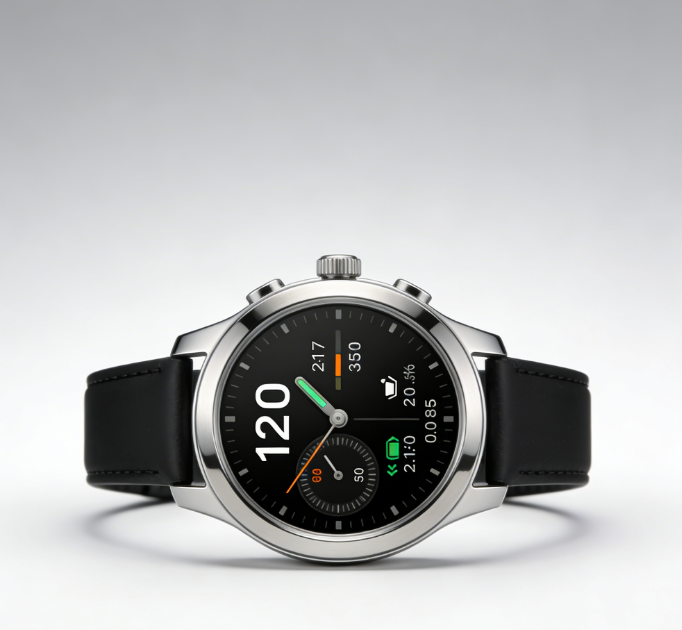
The clarity, brightness, and sunlight visibility of the screen all affect the daily user experience. A high-quality screen allows for clearer information display, making it easier to view notifications or activity data.
2. Watch Face Design and Size
Different users have different preferences for watch design and size. Some prefer a simple and lightweight design, while others prefer a larger watch face for better display. When choosing, consider your wrist size and usage habits.
3. Watch Strap and Material
The material of the watch strap also affects the wearing experience. Common materials include silicone, leather, or metal. Active users typically prefer breathable and soft materials for improved comfort.
IV. System Compatibility and Connection Stability
Smartwatches usually need to be paired with a smartphone, so system compatibility is also an important factor. Different devices may vary in connection stability, data synchronization speed, and application support.
During use, a stable Bluetooth connection ensures timely notification synchronization and accurate recording of health and exercise data.
V. Choosing the Right Smartwatch Based on Your Needs
When choosing a smartwatch, you can consider your specific needs. For example:
If you prioritize health management, focus on health monitoring functions.
If you enjoy sports, choose a device with a wide range of sports modes.
If you frequently travel for work or leisure, prioritize devices with long battery life.
If you value design, pay attention to watch face style and wearing comfort.
By comprehensively considering functionality, battery life, and daily user experience, users can more easily find a smartwatch that suits them.
Conclusion
Smartwatches are not only technological products but are also increasingly becoming part of modern lifestyles. From health monitoring and daily reminders to exercise tracking, they provide users with a more convenient and intelligent life experience. When purchasing, simply focus on core functions, battery life, and wearing comfort based on your own needs to find a smartwatch that truly suits you.